
Osteoarthritis Treatment Options: What Works Best?
Updated: Aug 17

Arthritis can affect much more than a single joint. When pain and stiffness make it harder to walk, climb stairs, exercise, work, or sleep comfortably, even ordinary parts of the day can become frustrating.
But an arthritis diagnosis doesn’t automatically mean surgery.
Many people are able to manage their symptoms with physical therapy, exercise, medication, injections, and other non-surgical treatments. When arthritis becomes more advanced and conservative care no longer provides enough relief, surgery may be worth considering.
At Arthritis & Sports Orthopaedics, we help patients throughout Sterling, South Riding, Ashburn, Leesburg, Reston, Herndon, Chantilly, and Northern Virginia understand their arthritis treatment options and find an approach that fits their symptoms, overall health, and goals.
What Are the Main Treatment Options for Arthritis?
Arthritis can be treated in several ways. Options may include exercise and physical therapy, changes in activity, weight management, medications, braces or orthotics, joint injections, and surgery.
Most people begin with non-surgical care. If arthritis becomes advanced and pain or loss of function continues despite treatment, surgery may become an option.
Non-surgical arthritis treatments may include:
Activity modification
Weight management
Pain-relieving and anti-inflammatory medications
Braces, splints, and orthotics
Viscosupplementation, or "gel," injections for selected patients
Platelet-rich plasma (PRP) injections for selected patients
Other supportive treatments
Surgical treatments may include:
Treatment isn’t based on an X-ray alone. The larger goal is to decrease pain, improve function, and help you stay involved in the activities that matter to you.
What Is Arthritis?
Arthritis is a broad term for conditions that affect the joints and may cause pain, stiffness, swelling, or difficulty moving.
Of the many different types, osteoarthritis is the most common. It is a degenerative joint condition in which cartilage and other tissues within the joint change and break down over time.
Osteoarthritis often affects the:
It can develop in other joints as well.

Are All Types of Arthritis Treated the Same Way?
No. Different forms of arthritis can require very different approaches to treatment.
This guide focuses mainly on osteoarthritis and degenerative joint pain.
Conditions such as rheumatoid arthritis, psoriatic arthritis, and gout have different causes and may require other types of care. Rheumatoid arthritis, for example, is an autoimmune disease. Treatment may include medications that control the disease itself rather than only treating joint pain and inflammation.
That’s why getting the correct diagnosis matters. Before choosing a treatment, it’s important to understand what’s actually causing the symptoms.
What Are Common Symptoms of Arthritis?
Arthritis doesn’t feel exactly the same for everyone. Symptoms vary depending on the joint involved and how advanced the condition has become.
Common symptoms include:
Joint pain
Stiffness, especially after sitting or resting
Swelling
Reduced range of motion
Pain after activity
Difficulty walking or using the affected joint
Trouble completing everyday activities
Osteoarthritis often develops slowly. A person may have mild symptoms for years, while someone else may develop pain and loss of function that has a much greater effect on daily life.
When Should You See an Orthopedic Doctor for Arthritis?
An occasional aching joint doesn’t always require medical care. Pain that persists, worsens, or begins interfering with everyday life is different.
Consider an orthopedic evaluation if:
Joint pain continues or becomes worse
Pain interferes with normal activities
Walking has become difficult
Your range of motion is decreasing
Joint stiffness or swelling persists
Pain interrupts your sleep
You’re giving up activities you normally enjoy
Over-the-counter treatments no longer provide enough relief
Remember: you don’t have to wait until your symptoms are severe. An evaluation can help determine whether arthritis is causing the problem and what treatment options make sense for you.
What Are Some Non-Surgical Treatments for Arthritis?
Non-surgical treatments for arthritis may include physical therapy and exercise, activity modification, weight management, medications, braces or orthotics, and joint injections. The right combination depends on the type of arthritis, the joint affected, the severity of symptoms, and your individual health needs.
For many people with osteoarthritis, these treatments are the first place to start.
▶ Physical Therapy and Exercise for Arthritis
Movement is an important part of osteoarthritis care.
Although exercising a painful joint may seem counterintuitive, appropriate exercise can help reduce pain and stiffness while improving strength, flexibility, and endurance.
A physical therapy program may focus on:
Strengthening the muscles around the affected joint
Improving flexibility
Maintaining or restoring range of motion
Improving balance
Improving walking and movement
Finding safe ways to remain active
Stronger muscles can also provide more support for an arthritic joint. At Arthritis & Sports Orthopaedics, our Physical Therapy Services are available at both our Sterling and South Riding locations.
▶ Activity Modification and Low-Impact Exercise
Having arthritis usually doesn’t mean you need to stop being active.
Sometimes the better approach is to change how you exercise or adjust activities that repeatedly aggravate the joint.
Low-impact options may include:
Walking
Swimming or water exercise
Cycling
Elliptical exercise
Strength training appropriate for your condition
Which activities are best will depend on the joint involved and your current level of function. If a particular movement consistently causes significant pain, a physician or physical therapist may recommend modifying the activity rather than giving it up entirely.
▶ Weight Management for Arthritis
For someone who is overweight or obese and has arthritis in a weight-bearing joint such as the knee or hip, weight management may become part of the treatment plan.
Reducing excess body weight can decrease stress on these joints. For some patients, that can mean less pain and easier movement.
Weight loss isn’t necessary or appropriate for everyone, however. Recommendations should be based on your individual health and circumstances.
▶ Medications for Arthritis Pain
Medication may help control arthritis pain for some patients.
Depending on the condition, options can include:
Topical anti-inflammatory medications
Oral nonsteroidal anti-inflammatory drugs, or NSAIDs
Acetaminophen in selected patients
Prescription medications, when appropriate
Common medications such as ibuprofen and naproxen aren’t safe or appropriate for everyone. They can interact with other medications and may create added risks for people with certain kidney, stomach, heart, or other health conditions.
Before starting or regularly taking medication for arthritis, talk with your physician about what is appropriate for you.
What Types of Injections Are Used for Arthritis?
Joint injections are sometimes considered when other treatments aren’t giving a patient enough relief.
Depending on the diagnosis and joint involved, options may include cortisone injections, platelet-rich plasma (PRP), and viscosupplementation.
No injection is right for every patient. The decision depends on your symptoms, medical history, previous treatments, and the specific joint being treated.
▶ Cortisone Injections for Arthritis
Corticosteroid injections, often called cortisone injections, deliver anti-inflammatory medication directly into or around the affected joint. They may help:
Reduce inflammation
Decrease pain
Improve movement
Provide temporary symptom relief
Corticosteroid injections are an established treatment option for select patients with osteoarthritis, including people with knee or hip osteoarthritis.
How well they work and how long the relief lasts can vary considerably from one person to another. Your physician can help determine whether a cortisone injection is appropriate and discuss how frequently it should be considered.
▶ Viscosupplementation for Knee and Shoulder Arthritis
Viscosupplementation involves injecting hyaluronic acid into the joint. Hyaluronic acid is a substance naturally found in joint fluid that helps lubricate and cushion the joint. These injections are intended to help some patients manage symptoms related to knee and shoulder osteoarthritis.
The research isn’t uniform, though. Results and clinical recommendations for viscosupplementation are mixed, which means it won’t be the right treatment for everyone.
Whether it makes sense for you may depend on your symptoms, medical history, treatments you’ve already tried, and insurance coverage.
▶ PRP Injections for Arthritis
Platelet-rich plasma, better known as PRP, comes from a sample of the patient's own blood. The blood is processed to create a preparation with a higher concentration of platelets. That preparation is then injected into the treatment area.
PRP may be an option for selected patients with certain musculoskeletal conditions, including some people with osteoarthritis.
Patients who want to explore this option can learn more through our PRP Injection Therapy information and our guide to PRP vs. Cortisone Injections.
Can Braces and Orthotics Help Arthritis Pain?
For some patients, yes.
Braces, splints, and orthotics may help support a painful joint, improve stability, or change how pressure is distributed when you stand, walk, or use the affected area.
Options may include:
Knee braces
Ankle braces
Wrist or hand splints
Custom foot orthotics
A brace that helps one type of arthritis may not help another. A physician, physical therapist, occupational therapist, or foot and ankle specialist can determine whether a supportive device makes sense for your condition.
Patients dealing with foot and ankle symptoms can also learn more about our Custom Orthotics and Foot & Ankle Services.

Are There Other Non-Surgical Treatments for Arthritis Pain?
Some patients choose to use additional treatments alongside a broader arthritis care plan.
▶ MLS Laser Therapy
At Arthritis & Sports Orthopaedics, MLS Laser Therapy is available as a non-invasive treatment that may be used as an adjunct for certain painful musculoskeletal conditions.
It isn’t intended to replace treatments with stronger evidence for osteoarthritis, including appropriate exercise and physical therapy.
Whether laser therapy or another supportive treatment is appropriate depends on your diagnosis and the rest of your treatment plan.
▶ CBD Topicals
Some patients use topical cannabidiol (CBD) creams as part of their approach to managing joint or muscle discomfort. These products are applied directly to the skin over the painful area rather than taken orally.
Research on CBD for arthritis pain is still developing. However, anecdotal evidence shows some great results for certain patients, including reports of reduced discomfort and improved day-to-day comfort.
Because product quality, ingredients, and CBD concentrations can vary, choosing a reputable product is important. Learn more about the trusted Hemp-Derived CBD products available through Arthritis & Sports Orthopaedics.
How Do Doctors Decide Which Arthritis Treatment to Try First?
There's no standard treatment sequence that works for every patient with arthritis. Treatment plans may also change over time.
Before recommending a plan, your physician may consider:
The type of arthritis
Which joint is affected
The severity of your symptoms
How long symptoms have been present
Findings from your physical examination, x-rays, or other imaging
Treatments you've already tried
Your age and overall health
Your activity level, work, and lifestyle
Your personal goals
A person with mild knee arthritis, for example, may do very well with exercise, physical therapy, and occasional medication. Someone else may need an injection or brace to better control symptoms. For a patient with advanced arthritis who can no longer walk comfortably despite appropriate treatment, it may be time to discuss surgery.
That individualized approach is important. Osteoarthritis treatment simply isn’t a one-size-fits-all approach.
When Is Surgery Considered for Arthritis?
Surgery may be considered when arthritis continues to cause significant pain or loss of function despite appropriate non-surgical treatment.
The decision isn’t based on one symptom or one X-ray. Your physician will consider your symptoms, examination findings, imaging, overall health, and personal goals.
It may be time to discuss surgery if you have:
Persistent or severe joint pain
Difficulty walking or climbing stairs
Pain that interferes with sleep
Loss of mobility
Difficulty working or managing everyday activities
Reduced independence
Non-surgical treatments that no longer provide enough relief
A significant decline in quality of life
Meeting with a surgeon doesn’t mean you've decided to have surgery. A consultation gives you a chance to understand your options, expected benefits, possible risks, and whether surgery makes sense now or could become appropriate later.

Dr. Randall S. Peyton
Hip and Knee Replacement Surgeon

Dr. Matthew H. Griffith
Shoulder Replacement Surgeon

Dr. David S. Goodwin
Sports Medicine Surgeon
What Surgical Treatments Are Available for Advanced Arthritis?
The right operation depends on which joint is affected, and where and how severely it has been damaged.
For patients with advanced osteoarthritis of the knee, hip, or shoulder, joint replacement may be one option.
Sometimes arthritis is limited to only one part of a joint.
In those situations, selected patients may be able to have part of the joint replaced instead of the entire joint. This approach is most commonly discussed with certain patterns of knee arthritis. Your surgeon can determine whether the location and extent of the arthritis make partial replacement an appropriate option.
Total knee replacement is commonly used for advanced knee arthritis.
During the procedure, the damaged surfaces of the knee joint are removed and replaced with artificial components designed to allow smoother movement.
The goal is straightforward: reduce pain and improve function.
Patients who are thinking about surgery may also find our 7 Signs You May Need Knee Replacement Surgery article helpful.
Hip replacement may be considered when advanced hip arthritis leads to significant pain, stiffness, and difficulty moving.
During surgery, the damaged portions of the hip are replaced with artificial components that recreate the hip's ball-and-socket joint.
For the right patient, hip replacement can reduce arthritis pain and improve mobility. You can learn more through our information on Hip Arthritis Treatment and Anterior Hip Replacement Surgery.
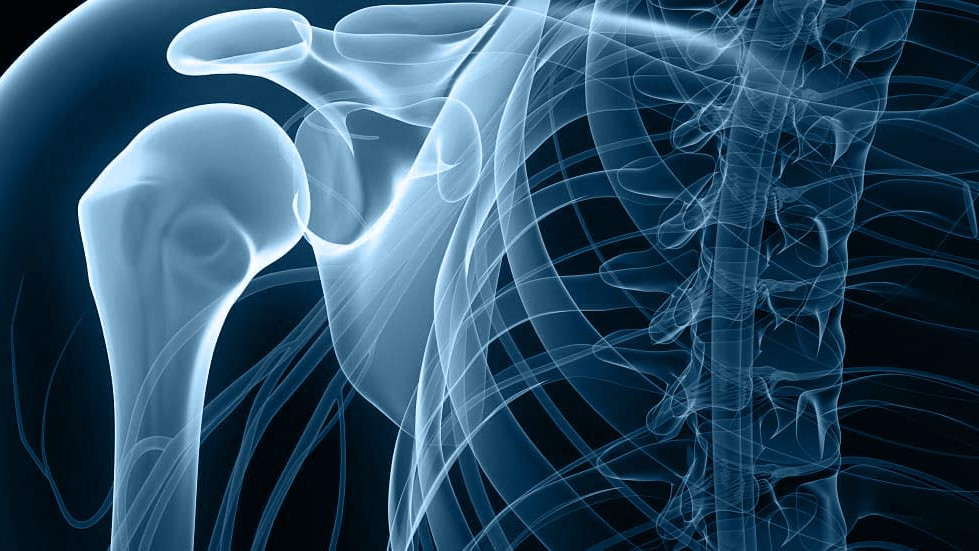
Advanced shoulder arthritis can turn basic movements into difficult ones. Reaching overhead, lifting an object, getting dressed, or simply sleeping comfortably may become painful.
Shoulder replacement may be considered when these symptoms continue despite appropriate non-surgical treatment.
There are several types of shoulder replacement. Which procedure is appropriate depends on the condition of the joint, the surrounding muscles and tendons, and the patient's individual needs.
▶ Other Surgical Options for Arthritis
Not every operation for arthritis involves replacing a joint. Depending on the joint and the underlying condition, other surgical options may include:
Joint-preserving surgery
Joint fusion
Partial replacement
Other joint-specific procedures
An orthopaedic specialist can explain which of these options, if any, apply to your condition.


Which Arthritis Treatment Is Right for You?
There's no single treatment that's best for everyone with arthritis.
Someone with mild symptoms may need a very different plan from a person whose arthritis makes walking difficult or regularly wakes them at night.
Treatment can change, too. What works well today may need to be adjusted if your symptoms change in the future.
In general:
Exercise and physical therapy can improve strength, mobility, and function.
Activity modification may make painful activities easier to manage.
Weight management may decrease stress on weight-bearing joints when appropriate.
Medications can help some patients manage pain and inflammation.
Braces and orthotics may provide additional support for certain joints.
Injections may offer symptom relief for selected patients.
Joint replacement may be considered when advanced arthritis continues to cause significant pain and disability despite appropriate conservative treatment.
Ultimately, the plan should be built around your diagnosis and your life, not around a standard treatment formula.
Arthritis Treatment in Sterling and South Riding, VA
Arthritis & Sports Orthopaedics provides comprehensive treatment for arthritis and joint pain at our Sterling and South Riding, Virginia offices.
We care for patients from communities throughout Northern Virginia, including:
Sterling
South Riding
Ashburn
Leesburg
Reston
Herndon
Chantilly
Aldie
Loudoun County
Surrounding Northern Virginia communities
Our specialists offer care across the treatment spectrum, from physical therapy and non-surgical orthopaedic treatments to injections and advanced joint replacement surgery.
As your needs change, your treatment can change with them.
Frequently Asked Questions About Arthritis Treatment
What Is the Best Treatment for Arthritis?
There isn't one arthritis treatment that's best for everyone. The right approach depends on the type of arthritis, the joint involved, the severity of symptoms, your overall health, and your personal goals. Many people with osteoarthritis start with exercise, physical therapy, activity changes, and medication before considering injections or surgery.
What Are Some Non-Surgical Treatments for Arthritis?
Non-surgical arthritis treatments can include physical therapy, exercise, activity modification, weight management, medications, braces, orthotics, cortisone injections, and other types of joint injections. The best combination will depend on the affected joint and the individual patient.
Can Arthritis Be Treated Without Surgery?
Yes. Many people with osteoarthritis are able to manage their symptoms without surgery. Exercise, physical therapy, medication, weight management, braces, and injections can all play a role in non-surgical arthritis treatment.
Can Osteoarthritis Be Cured?
There is currently no cure for osteoarthritis. Treatment can, however, help reduce symptoms and improve function. Depending on the patient, that may involve exercise, physical therapy, medications, weight management, injections, or surgery.
Does Exercise Help Arthritis?
Yes. Appropriate exercise is an important part of osteoarthritis treatment. It can decrease pain and stiffness while helping improve muscle strength, flexibility, joint movement, and endurance.
Can Exercise Make Arthritis Worse?
Appropriate exercise is generally beneficial for people with osteoarthritis, although some activities may need to be modified. If an exercise causes significant or lasting pain, talk with your physician or physical therapist about adjusting the activity or finding a safer alternative.
What Injections Are Available for Arthritis?
Depending on the joint and the condition, arthritis injections may include corticosteroid injections, viscosupplementation injections, and PRP injections. These treatments have different evidence, benefits, limitations, and appropriate uses, so the best choice depends on the individual patient.
How Long Does a Cortisone Shot Last for Arthritis?
It varies. Some patients experience meaningful temporary relief after a cortisone injection, while others may notice little benefit. Your physician can give you a better idea of what to expect based on the joint being treated and your specific condition.
When Should I Consider Joint Replacement for Arthritis?
It may be time to discuss joint replacement when arthritis causes persistent pain, limited mobility, sleep problems, or difficulty with everyday activities despite appropriate non-surgical treatment. Symptoms, function, imaging, overall health, and personal goals all play a role in that decision.
Do I Need to Wait Until My Arthritis Is “Bone on Bone” Before Seeing a Surgeon?
No. You don't need to wait for a specific phrase to appear on an X-ray before talking with an orthopaedic surgeon. Symptoms, function, physical examination findings, imaging, and quality of life all matter when deciding whether surgery should be considered.
Does Seeing a Joint Replacement Surgeon Mean I Need Surgery?
No. A surgical consultation doesn't commit you to having an operation. It can help you understand how advanced your arthritis is, whether additional non-surgical treatments are reasonable, and when surgery might become appropriate.
Is Arthritis a Normal Part of Aging?
Osteoarthritis becomes more common as people get older, but persistent joint pain and loss of function aren't problems you simply have to accept. Treatment options are available to help manage symptoms and maintain mobility.
Which Doctor Should I See for Arthritis?
That depends on the type of arthritis and the joint involved. Orthopaedic specialists commonly diagnose and treat osteoarthritis and other structural joint problems. Patients with inflammatory diseases such as rheumatoid arthritis or psoriatic arthritis may also need treatment from a rheumatologist.
Schedule an Arthritis Evaluation
Joint pain doesn't just affect the joint itself. Over time, it can change the way you work, exercise, sleep, travel, and spend time doing the things you enjoy.
There are treatment options.
At Arthritis & Sports Orthopaedics, we provide both non-surgical and surgical arthritis care based on each patient's diagnosis, symptoms, health, and goals.
If joint pain is making it harder to move or keeping you from activities you enjoy, request an appointment at our Sterling or South Riding office to discuss which arthritis treatment options may be appropriate for you.


